

학사행정Administrative
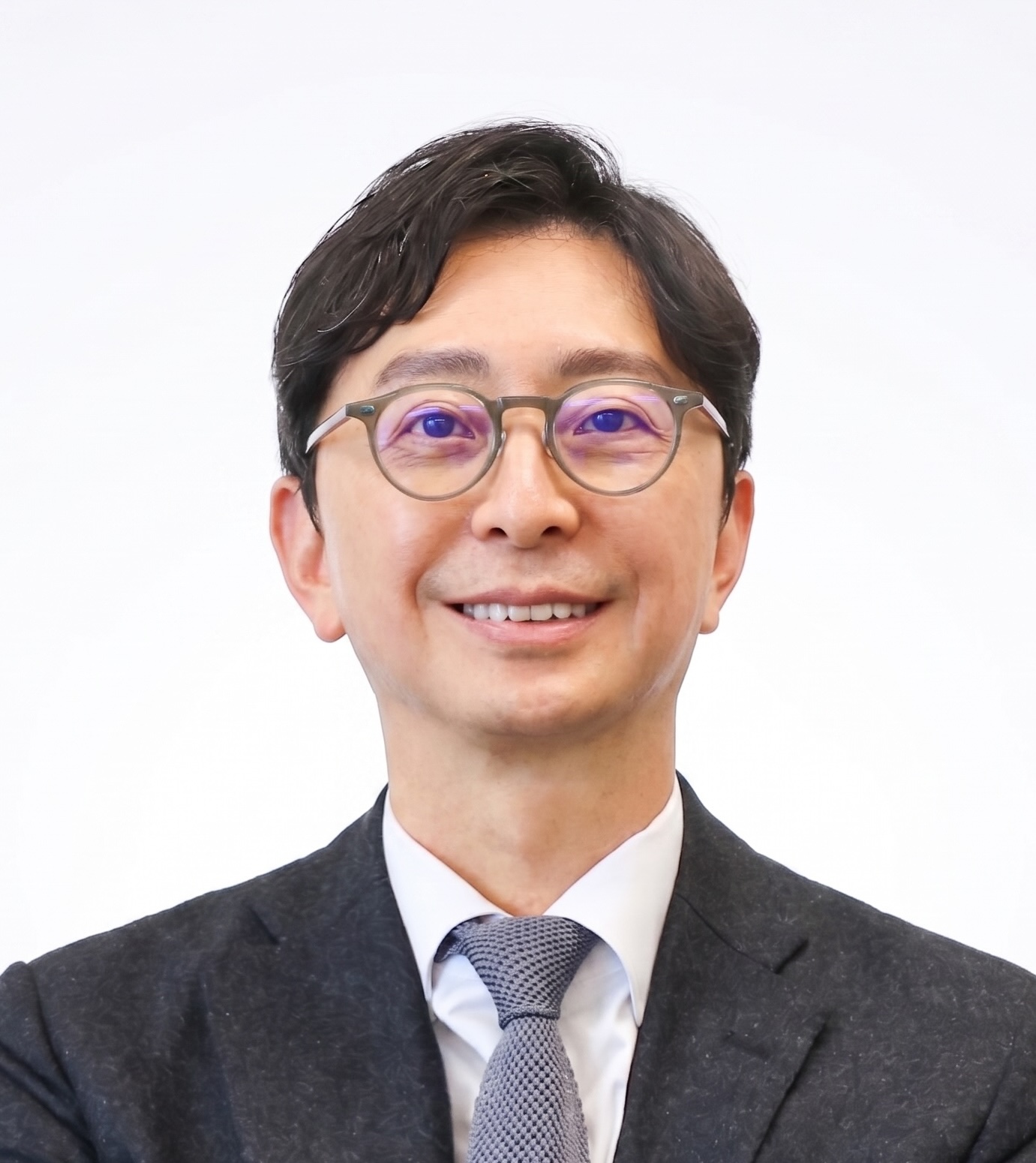
Chon, Jinhyung
Office: Life Science and Biotechnolgy West Bldg.# 502, 02-3290-3048
Ecological Landscape System Design & Research Lab (ELSDR)
02-3290-3621
Email: jchon@korea.ac.kr Website
Grounded in landscape architecture, his research explores the relationship between nature and people and connects scientific knowledge to design and practice. His work addresses a wide range of spaces and environmental problems — from human-environment interaction and ecological design through cities and regions to watersheds and coasts — with particular attention to the relationships that link them and the structures through which change is produced. He approaches cities and regions as social-ecological systems in which nature, people, space, and institutions are closely interconnected, and examines the capacity to respond to climatic, ecological, and social change through the lens of resilience. Landscape architecture is the scholarly foundation of this work, connecting diverse subjects and bodies of knowledge and carrying scientific understanding through to change in the environment itself.
His central research concern is to understand complex real-world problems structurally and to develop that understanding into alternatives that can be put to use. Depending on the nature of the problem, he combines ecology and spatial science with systems thinking and design-based approaches, synthesizing evidence obtained at different levels to arrive at alternatives for planning, design, and management. Two principles guide this work: evidence-based design, which builds real-world alternatives on evidence ranging from scientific research to field survey, observation, and the experience of space; and science to society, which extends research findings into the wider world. Beyond explaining phenomena, he locates the value of research in providing the evidence and alternatives that make better choices possible.
This view of research carries into education. At ELSDR, advisor and student identify problems together, refine them into research questions, and find the theories and methods suited to answering them. The differing academic backgrounds and strengths that students bring become resources for generating new questions and approaches, and the full arc of research — from survey and analysis through to publications and projects — gains depth through sustained discussion and feedback. The ultimate aim of this education is to help students grow into independent researchers who form their own questions, design their own research, and connect what they produce to both scholarship and the world.
Ph.D. Texas A&M University
MLA University of Pennsylvania
BA Chonbuk National University
Professor: Division of Environmental Science and Ecological Engineering, Korea University, Seoul, Korea (2016-Present)
Chair: Interdisciplinary Program in Ecological Landscape Architecture
Associate Professor: Division of Environmental Science and Ecological Engineering, Korea University, Seoul, Korea (2011-2015)
Assistant Professor: Division of Environmental Science and Ecological Engineering, Korea University, Seoul, Korea (2006- 2011)
Assistant Professor: School of Human Ecolgy, Georgia Southern University, Statesboro, Georgia, USA (2004- 2006)
Deputy Director: OJeong Resilience Institute, Korea University, Seoul, Korea (2017- Present)
Advisory Committee: Office of Vice President for Sustainable Campus Operations, Korea University, Seoul, Korea (January 2007-present)
Consultant & Landscape Architect: Environmental Education Center, Georgia Southern University, USA (2005-2006)
